P-Hub B2B access is available for approved pharmacy members only.




Dapiga 10mg Dapagliflozin Tablets 30s
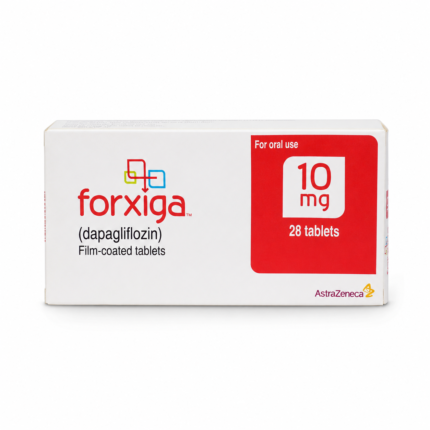
Dapiga 10mg Dapagliflozin Tablets 30s is a prescription medicine containing dapagliflozin, a sodium-glucose co-transporter 2 (SGLT2) inhibitor. It is prescribed for selected adults with type 2 diabetes mellitus and may also be used for certain chronic kidney disease indications according to the approved product information and the patient’s treatment plan.
Description
Dapiga 10mg Dapagliflozin Tablets 30s is a prescription oral medicine containing dapagliflozin 10mg. Dapagliflozin belongs to a group of medicines known as sodium-glucose co-transporter 2 inhibitors, commonly abbreviated as SGLT2 inhibitors.
Dapiga is principally prescribed to improve blood glucose control in selected adults with type 2 diabetes mellitus. Dapagliflozin may also be prescribed for certain chronic kidney disease or cardiovascular indications when these uses are included in the current approved product information and the patient’s individual treatment plan.
Dapiga is not intended for self-selection, general weight-loss use, treatment of type 1 diabetes or treatment of diabetic ketoacidosis.
Dapiga 10mg Dapagliflozin Product Information
| Product Name | Dapiga 10mg Film-Coated Tablets |
|---|---|
| Active Ingredient | Dapagliflozin |
| Strength | 10mg per tablet |
| Dosage Form | Film-coated tablet |
| Pack Size | 30 tablets |
| Pack Configuration | 3 strips of 10 tablets |
| Therapeutic Class | Sodium-glucose co-transporter 2 inhibitor |
| Abbreviated Medicine Class | SGLT2 inhibitor |
| Medicine Classification | Prescription medicine |
| Manufacturer | Novugen Pharma Sdn. Bhd., Malaysia |
| Product Registration Holder | Novugen Pharma Sdn. Bhd. |
| Malaysian Registration Number | MAL22126055AZ |
| Route of Administration | Oral |
What Is Dapiga 10mg Used For?
Dapiga contains dapagliflozin and is prescribed for selected adult patients based on their diagnosis, kidney function, concurrent medicines and overall treatment plan.
Type 2 Diabetes Mellitus
Dapiga may be prescribed together with appropriate diet and physical activity to improve blood glucose control in adults with type 2 diabetes mellitus. It may be used alone or together with other diabetes medicines when considered appropriate by the prescribing healthcare professional.
Chronic Kidney Disease
Dapagliflozin may also be prescribed as an addition to standard treatment for selected adults with chronic kidney disease who are at risk of disease progression. Suitability depends on the approved product information, kidney function and clinical assessment.
Heart and Cardiovascular Considerations
SGLT2 inhibitors may be used in selected patients whose treatment plan includes cardiovascular or heart-failure risk management. The exact approved indication may differ between products and jurisdictions. Dapiga should therefore only be used for these purposes when specifically prescribed.
How Dapiga Works
Dapagliflozin blocks sodium-glucose co-transporter 2 proteins in the kidneys. These proteins normally help the kidneys return glucose to the bloodstream.
By reducing glucose reabsorption, dapagliflozin allows more glucose to leave the body through the urine. This can help lower blood glucose levels in patients with type 2 diabetes.
The kidney and cardiovascular effects of dapagliflozin involve additional mechanisms beyond blood glucose reduction. Treatment decisions should therefore be based on the patient’s complete clinical condition rather than blood glucose alone.
How to Take Dapiga 10mg
- Take Dapiga exactly as prescribed by the treating doctor.
- Follow the dosage and timing printed on the prescription label and approved package insert.
- Swallow the tablet with water.
- Do not increase, reduce or stop treatment without professional advice.
- Do not take a double dose to compensate for a missed dose.
- Continue any recommended diet, physical activity and glucose-monitoring plan.
- Attend scheduled blood tests and kidney-function assessments.
The appropriate treatment schedule may depend on the indication, kidney function, age, hydration status and other medicines being used. Instructions provided by the prescribing healthcare professional take precedence over general product information.
Important Safety Information
- Dapiga is a prescription medicine and should not be shared with another person.
- It is not indicated for the treatment of type 1 diabetes.
- It must not be used to treat diabetic ketoacidosis.
- It is not approved as a general weight-loss medicine.
- Kidney function and hydration status may need to be assessed before and during treatment.
- Maintain appropriate fluid intake unless a healthcare professional has advised fluid restriction.
- Tell the prescriber about planned surgery, prolonged fasting, severe illness, vomiting or reduced food intake.
- Report symptoms of urinary or genital infection promptly.
- Patients using insulin or certain other diabetes medicines may have an increased risk of low blood glucose.
Risk of Diabetic Ketoacidosis
Dapagliflozin and other SGLT2 inhibitors have been associated with diabetic ketoacidosis, a serious condition caused by excessive acid accumulation in the blood. It may sometimes occur even when the blood glucose reading is not extremely high.
Stop taking the medicine and seek urgent medical attention if symptoms suggestive of diabetic ketoacidosis occur, including:
- Nausea or vomiting
- Abdominal pain
- Unusual tiredness or weakness
- Excessive thirst
- Difficulty breathing or unusually deep breathing
- Confusion or reduced alertness
- Sweet or unusual-smelling breath
Risk may increase during severe illness, dehydration, prolonged fasting, major surgery, sudden insulin reduction, excessive alcohol intake or very-low-carbohydrate diets. Patients should tell their doctor about these circumstances.
Possible Side Effects
Not everyone experiences side effects. Possible effects associated with dapagliflozin include:
- Genital fungal or yeast infections
- Urinary tract infections
- Increased urination
- Thirst or dry mouth
- Dizziness, particularly when standing
- Dehydration or low blood pressure
- Low blood glucose when combined with insulin or certain insulin-releasing medicines
Persistent, worsening or troublesome symptoms should be discussed with a doctor or pharmacist.
Serious Symptoms Requiring Medical Attention
Obtain prompt medical care if any of the following occurs:
- Symptoms of diabetic ketoacidosis
- Severe dizziness, fainting or signs of significant dehydration
- Fever, back pain, painful urination or blood in the urine
- Severe genital pain, tenderness, swelling or redness, especially with fever or feeling unwell
- Swelling of the face, lips, tongue or throat
- Difficulty breathing or another serious allergic reaction
Who Should Speak to a Doctor Before Taking Dapiga?
Professional assessment is particularly important for patients who:
- Have kidney or liver impairment
- Have low blood pressure or frequently experience dizziness
- Are dehydrated or taking medicines that increase urination
- Have a history of diabetic ketoacidosis
- Have recurrent urinary tract or genital infections
- Are using insulin or a sulfonylurea medicine
- Are following a ketogenic or very-low-carbohydrate diet
- Are undergoing surgery or prolonged fasting
- Are pregnant, planning a pregnancy or breastfeeding
- Are elderly, frail or at increased risk of dehydration
Medicine Interactions
Tell the prescribing doctor and pharmacist about all prescription medicines, non-prescription products and supplements being used. Medicines requiring particular consideration may include:
- Insulin and sulfonylureas: the risk of hypoglycaemia may increase when used together.
- Diuretics: combined use may increase urination, dehydration or low blood pressure.
- Lithium: SGLT2 inhibitors may reduce serum lithium concentrations and closer monitoring may be required.
- Other glucose-lowering medicines: the complete diabetes regimen may require clinical review.
Do not change the dose of Dapiga or another medicine without instructions from the treating healthcare professional.
Pregnancy and Breastfeeding
Patients who are pregnant, may be pregnant, are planning a pregnancy or are breastfeeding should inform their doctor before taking Dapiga.
The prescriber should assess whether treatment should be started, continued, changed or discontinued. Patients should not make this decision without professional advice.
Storage Instructions
- Store according to the conditions stated on the carton and package insert.
- Keep the tablets in their original blister packaging until required.
- Protect from excessive heat and moisture.
- Keep out of reach of children.
- Do not use tablets that appear damaged or deteriorated.
- Do not use after the expiry date printed on the supplied packaging.
- Product packaging, batch number and expiry date may vary between supplied batches.
Frequently Asked Questions
What is the active ingredient in Dapiga 10mg?
Each Dapiga film-coated tablet contains dapagliflozin 10mg.
What type of medicine is Dapiga?
Dapiga is an SGLT2 inhibitor. SGLT2 stands for sodium-glucose co-transporter 2.
Is Dapiga a prescription medicine in Malaysia?
Yes. Dapiga 10mg is registered in Malaysia as a Prescription-Full medicine under registration number MAL22126055AZ.
Who manufactures Dapiga?
Dapiga is manufactured in Malaysia by Novugen Pharma Sdn. Bhd.
What is Dapiga 10mg used for?
Dapiga is principally prescribed for selected adults with type 2 diabetes mellitus. It may also be prescribed for certain chronic kidney disease or cardiovascular indications when supported by the current approved product information and the patient’s treatment plan.
Can Dapiga be used for type 1 diabetes?
No. Dapiga is not indicated for the treatment of type 1 diabetes.
Can Dapiga treat diabetic ketoacidosis?
No. Dapiga must not be used to treat diabetic ketoacidosis. SGLT2 inhibitors may themselves increase the risk of ketoacidosis in certain circumstances.
Is Dapiga a weight-loss tablet?
No. Dapiga is not approved as a general weight-loss medicine. Any change in body weight during treatment should be discussed with the prescribing healthcare professional.
Can Dapiga cause low blood glucose?
Dapagliflozin used alone has a relatively low risk of hypoglycaemia, but the risk may increase when it is combined with insulin or medicines that stimulate insulin release.
Why can Dapiga cause genital or urinary infections?
Dapagliflozin increases the amount of glucose removed through the urine. The presence of additional glucose in the urinary and genital area may increase the likelihood of certain fungal or urinary infections.
How many tablets are supplied in one Dapiga pack?
Each P-Hub listing contains 30 tablets, supplied as three strips of 10 tablets.
Can pharmacies request Dapiga through P-Hub?
Dapiga 10mg Dapagliflozin Tablets 30s is listed in the P-Hub B2B catalogue for approved pharmacy members. Quotation, ordering eligibility and supply are subject to P-Hub membership requirements, prescription medicine controls and current stock availability.
Prescription Medicine Notice
Dapiga 10mg is a prescription medicine in Malaysia. It should only be supplied, dispensed and used according to applicable Malaysian requirements and the directions of a registered doctor or pharmacist.
The information on this page is provided for pharmacy catalogue and professional product-reference purposes. It does not replace an individual medical assessment, prescription, approved Malaysian package insert or advice from a qualified healthcare professional.
Product appearance, packaging, batch number, availability and expiry date may vary. Verify all information on the physical product packaging and approved insert before dispensing or use.
Product Information Sources
- Novugen Pharma – Dapiga product information
- National Pharmaceutical Regulatory Agency Malaysia – Dapiga registration record
- Singapore National Drug Formulary – Dapiga 10mg registered product information
- NPRA – SGLT2 inhibitor and lithium interaction safety information
Product information last reviewed: 11 July 2026.
Reviews (0)
Only logged in customers who have purchased this product may leave a review.
Shipping and Delivery



























Reviews
There are no reviews yet.